
what is laminated safety glass
Understanding the Inch and a Half Check Valve An Essential Component in Fluid Mechanics When it comes to fluid mechanics, various components are critical for ensuring the efficient and safe flow of liquids and gases in industrial and residential applications. One such vital component is the check valve, more specifically the inch and a half check valve. This device plays a crucial role in controlling the direction of fluid flow and preventing backflow, a necessity in many systems. A check valve operates under the simple principle of allowing fluid to flow in one direction while effectively shutting off the backflow. The inch and a half designation refers to the valve’s diameter, which is 1.5 inches. This size is commonly used in many applications, from plumbing and HVAC systems to irrigation and industrial pipelines. The choice of size can significantly affect the flow rate and pressure drop within a system, making it essential to select the appropriate valve for each specific application. Check valves come in various designs, with the swing check valve and the spring-loaded check valve being among the most common types. In a swing check valve, a hinged disc is utilized to allow fluid to flow through when pressure from the upstream side exceeds that on the downstream side. Conversely, if backflow occurs, the disc swings shut, blocking the reverse flow. On the other hand, a spring-loaded check valve uses a spring mechanism to keep the valve closed until the upstream pressure opens it. This design is particularly effective in preventing backflow in systems subject to fluctuating pressures. inch and a half check valve One of the main advantages of the inch and a half check valve is its ability to prevent contamination of the fluid system. Backflow can lead to detrimental effects in many applications, such as the pollution of drinking water or damage to sensitive equipment . By incorporating a check valve into a system, operators can safeguard their processes, ensuring that fluids flow in the desired direction only. Moreover, the inch and a half check valve is known for its durability and reliability. Most valves are constructed from robust materials like brass, stainless steel, or PVC, which can withstand various environmental conditions and resist corrosion. Regular maintenance, such as checking for wear and tear, can significantly prolong the lifespan of these valves, ensuring optimal performance over time. Installing an inch and a half check valve is generally straightforward, but proper consideration must be given to orientation and placement within the piping system. The valve should be installed in a vertical or horizontal position according to the manufacturer's guidelines to function correctly. It is also advisable to place the check valve downstream of a pump or other pressure source to utilize its full potential effectively. In conclusion, the inch and a half check valve is a fundamental component in fluid management systems, providing critical protection against backflow and ensuring the integrity and efficiency of fluid delivery. By understanding its functionality and applying it correctly within various applications, users can enhance system safety and performance while prolonging the lifespan of fluid handling systems. Whether in residential plumbing or industrial processes, the inch and a half check valve remains an indispensable tool in modern engineering.
about
what is laminated safety glass
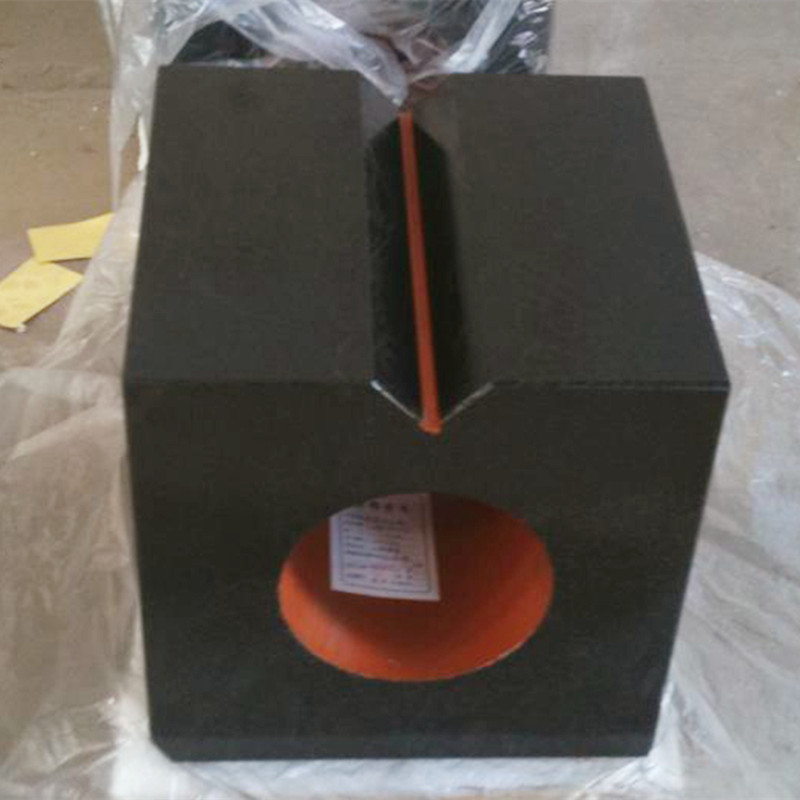
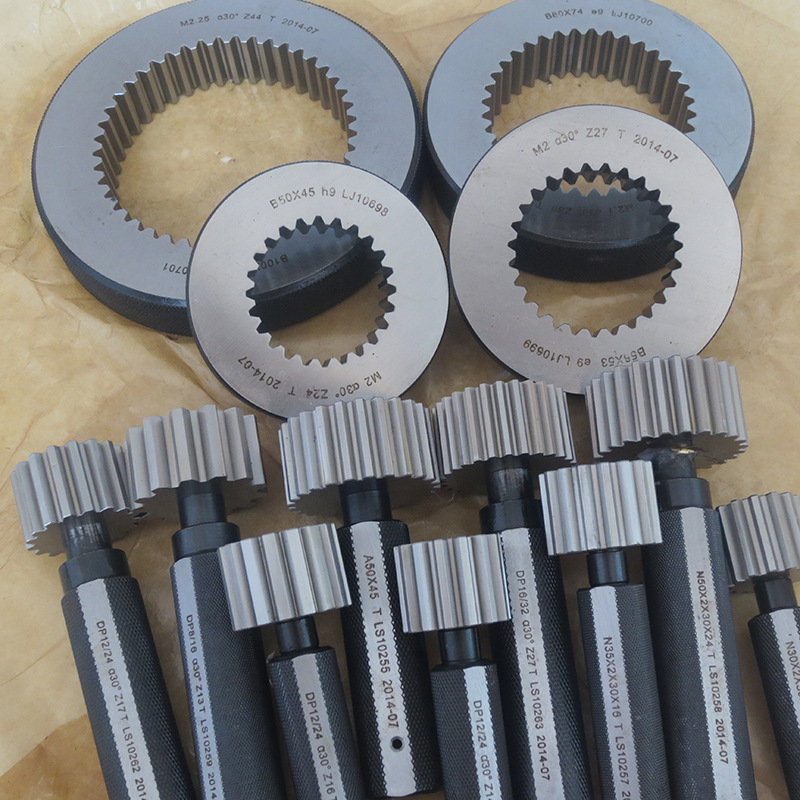
Engineering Measuring Tools Precision in Every Project In the realm of engineering, precision is paramount. Every project, whether it’s constructing a skyscraper or designing intricate machinery, demands accurate measurements . To achieve this, engineers rely on a variety of measuring tools that serve different purposes and ensure that every dimension is spot on. One of the most fundamental measuring tools in engineering is the ruler or measuring tape. These simple yet effective tools are essential for taking linear measurements. Often made from metal or flexible materials, a measuring tape can easily adapt to various shapes and sizes, making it perfect for both indoor and outdoor projects. Engineers must ensure that their measuring tapes are calibrated correctly to avoid errors in length, which can significantly affect the outcome of a project. Calipers are another vital tool in the engineering field. They come in various forms, such as vernier, dial, and digital calipers, each offering precise measurements of internal and external dimensions and depths. Digital calipers, in particular, have gained popularity due to their ease of use and ability to provide instant readings, reducing the risk of human error. By utilizing calipers, engineers can achieve measurements down to decimals, crucial for projects requiring tight tolerances. For even greater precision, engineers often turn to micrometers. These tools can measure thickness and small distances with an accuracy of one-thousandth of a millimeter. Micrometers are indispensable in fields like mechanical engineering, where the fit between components can affect the overall functionality of a machine. The ability to measure such minuscule dimensions ensures that parts fit together seamlessly without requiring excessive force, which could lead to wear and tear over time. engineering measuring tools In addition to these hand-held tools, engineers also utilize various electronic measuring devices, including laser distance meters and optical levels. Laser distance meters use laser technology to provide accurate distance measurements over long ranges, making them particularly beneficial in large-scale projects. Optical levels, on the other hand, are essential for surveying and constructing level surfaces, ensuring that buildings and structures are aligned correctly. Another innovative tool in modern engineering is the 3D scanner, which allows for non-contact measurement of objects in three dimensions. This technology captures the physical dimensions of parts and assemblies, enabling reverse engineering and quality control. Through advanced software, engineers can analyze the data for discrepancies, ensuring that all parts meet design specifications. The choice of measuring tools in engineering ultimately depends on the specific requirements of the project and the level of precision needed. While traditional tools like rulers and calipers remain important, advancements in technology offer engineers new ways to enhance accuracy and efficiency. In conclusion, engineering measuring tools are critical to the success of any engineering project. From simple rulers to advanced laser scanners, each tool plays an essential role in ensuring every measurement is precise. As technology continues to evolve, engineers can expect even more innovative tools that will enhance their ability to deliver high-quality results on time and within budget. The future of engineering relies on precision, and these measuring devices are at the forefront of that promise.
-

High quality industrial productsagement

High quality industrial products
View Details -

Meet the diverse needs of customers

Meet the diverse needs of customers
View Details -

Strict quality control

Strict quality control
View Details -

Top raw materials

Top raw materials
View Details -

Trusted supplier

Trusted supplier
View Details
Our application



news and information
Válvula principal de agua en el hogar y su importancia para el suministro doméstico
La Importancia de la Válvula Principal de Agua en el Hogar La válvula principal de agua es un compon
Valvola di ritegno 6an per sistemi idraulici e pneumatici di alta qualità
Il settore industriale moderno richiede soluzioni efficienti per il controllo del flusso di fluidi,
Using Brackets to Assemble Wooden Structures and Enhance Your DIY Projects Effectively
Embracing Nature The Art of Joining Wood with Brackets In the world of woodworking, there is a disti
 English